Category: Museum

semua infomasi yang dikaitkan dengan museum

  • Seminar “Curatorial Study of Temporary Exhibition Design: Following in the Footsteps of the Great King: Reinterpreting Adityawarman”

    Seminar “Curatorial Study of Temporary Exhibition Design: Following in the Footsteps of the Great King: Reinterpreting Adityawarman”

    SEMINAR “STUDI KURATORIAL DESAIN PAMERAN TEMPORER: MENGIKUTI JEJAK MAHARAJADIRAJA: MENGINTERPRETASIKAN ULANG ADITYAWARMAN”


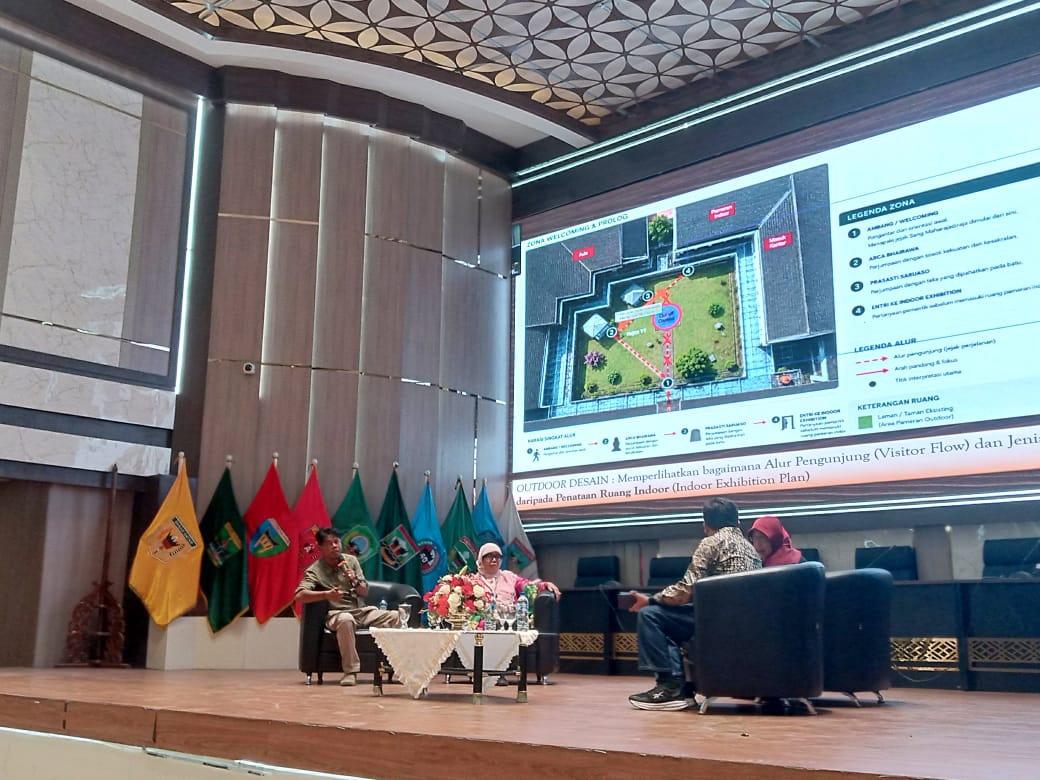
    The seminar “Curatorial Study of Temporary Exhibitions: Following in the Footsteps of the Maharajadiraja: Reinterpreting Adityawarman” was held on Friday, August 28, 2026, at the West Sumatra Governor’s Office Auditorium. This event is part of an effort to develop ideas and concepts for a temporary exhibition that highlights Adityawarman as one of the key figures in the history of Sumatra. The seminar not only discussed Adityawarman from a historical perspective but also aimed to examine how historical traces, archaeological remains, museum collections, and cultural heritage related to him can be constructed into an exhibition narrative that is educational, communicative, and evidence-based.

    The theme “Following in the Footsteps of the Maharajadiraja: Reinterpreting Adityawarman” was chosen because Adityawarman played a significant role in the history of Sumatra, particularly in its political, social, religious, and cultural development during the 14th century. Traces of his existence can be traced through various historical sources and archaeological remains, such as inscriptions, statues, artifacts, sites, and museum collections. However, interpretations of Adityawarman are not uniform. These various sources can be interpreted through the lenses of history, archaeology, museology, culture, and community knowledge. Therefore, a curatorial study is needed that can bring these diverse perspectives together to create a temporary exhibition that is both academically grounded and accessible to the general public.

    This event featured Aurora Murnayati Arby as a speaker with a background as a practitioner. The practitioner’s perspective in this event focused on how a historical concept can be translated into an exhibition experience that visitors can enjoy and understand. In the context of temporary exhibitions, the curatorial aspect is not limited to the selection of objects but also encompasses the development of a narrative, the arrangement of the collection, the presentation of information, and the ways in which connections are established between the objects and the visitors. This perspective is crucial to ensure that the exhibition on Adityawarman goes beyond the mere display of artifacts and instead offers an interpretive experience that connects the collection to its historical and cultural context.

    Next, Alfa Noranda, M.A., representing Jago Pusako and a lecturer in Archaeology at Andalas University, provided a detailed explanation of the curatorial approach to the temporary exhibition titled “Following in the Footsteps of the Maharajadiraja: Reinterpreting Adityawarman.” In her presentation, she explained that the exhibition concept employs an evidence-based curatorial approach, drawing on archaeological studies, history, museology, collection studies, spatial analysis, visitor studies, and preventive conservation. The exhibition is organized into several zones designed to help visitors understand Adityawarman through historical traces, inscriptions, statues, language, symbols, power, and cultural heritage that endures to this day.

    The seminar materials also noted that the exhibition design still needs refinement, particularly regarding the identification and cataloging of the collection, the development of the storyline, the alignment of the collection with the informational content, the accuracy of the infographics, and adjustments to the spatial layout and epilogue. These refinements are necessary to ensure that every object on display is supported by clear evidence and consistently reinforces the exhibition’s theme and objectives. With this approach, the temporary exhibition layout is expected not only to present the collection as historical artifacts but also to build a narrative flow that allows visitors to understand Adityawarman in a more comprehensive, critical, and contextual manner.

    An archaeological perspective was also provided at this seminar by Dr. Ery Soedewo, S.S., M.Hum., from the National Research and Innovation Agency (BRIN). The inclusion of an archaeological perspective is crucial in ensuring that the exhibition’s narrative regarding Adityawarman is grounded in reliable sources and material evidence. Artifacts such as inscriptions, statues, and other objects, as well as archaeological sites, need to be placed in their proper spatial and temporal contexts so that visitors not only view these objects as relics of the past but also understand their functions, meanings, and connections to the development of society during Adityawarman’s time.

    Meanwhile, Dr. Azhar Ibrahim from the Department of Malay Studies at the National University of Singapore (NUS) also offered academic and cultural perspectives on re-examining the figure of Adityawarman. These perspectives provide a framework for understanding how a historical figure is shaped through various narratives, memories, and constructions of knowledge. In the context of exhibition design, this perspective is crucial to ensure that the presentation of Adityawarman does not merely showcase a single viewpoint but allows visitors to grasp the complexity of history and the various processes through which this figure is interpreted.

    Dra. Zulneli Zubir, M.Hum., from BRIN also contributed to the discussion on historical, archaeological, and cultural heritage studies, which form the basis for the development of exhibition design. These research perspectives are crucial for strengthening the connection between the collection, historical sources, and the narrative to be conveyed to visitors. Museum collections are not merely viewed as objects on display, but as sources of data that must be studied, interpreted, and placed in the appropriate context. Thus, each selected collection can contribute to the formation of the exhibition’s overall narrative.

    The diverse backgrounds of the speakers and panelists made this seminar a space for dialogue among practitioners in the fields of museums, local knowledge, archaeology, research, academia, and cultural studies. This convergence of perspectives demonstrated that designing temporary exhibitions requires a process that is not merely visual but also demands a strong foundation in research and curatorial practice. The collection, narrative, space, infographics, and even the visitor experience must all be interconnected to create a consistent and easily understandable exhibition flow.

    Through the seminar “A Curatorial Study of Temporary Exhibitions: Tracing the Footsteps of the Maharajadiraja: Reinterpreting Adityawarman,” the discussion ultimately focused not only on questions regarding who Adityawarman was and what his historical legacy entailed, but also on how that history can be conveyed to today’s audience through museums. Temporary exhibitions are expected to serve as a medium that brings together historical evidence and curatorial interpretation, so that visitors gain an experience that is not only informative but also encourages reflection on the significance of historical and cultural heritage.

    Overall, this seminar provided important input for refining the concept of the temporary exhibition “Following in the Footsteps of the Maharajadiraja: Reinterpreting Adityawarman.” The findings of the study and discussions can serve as a foundation for refining the collection to be displayed, the storyline, informational materials, infographics, spatial layout, and even the epilogue. Thus, the exhibition is expected to present Adityawarman’s narrative in a manner that is more evidence-based, contextual, educational, and communicative, while also strengthening the museum’s role as a space for learning and dialogue between the history of the past and today’s society.


    Author: Muhammad Isamuddin

    English: edit using Deepl
  • Manuscript Night # 3

    Date : 10 June 2026

    Day : Wednesday

    Time : 20.00 -22.00 Wib

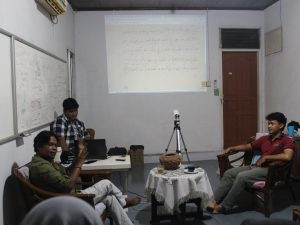
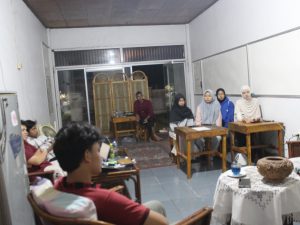
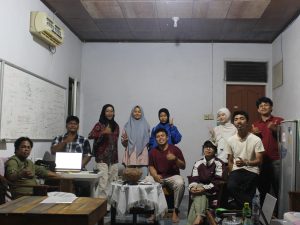
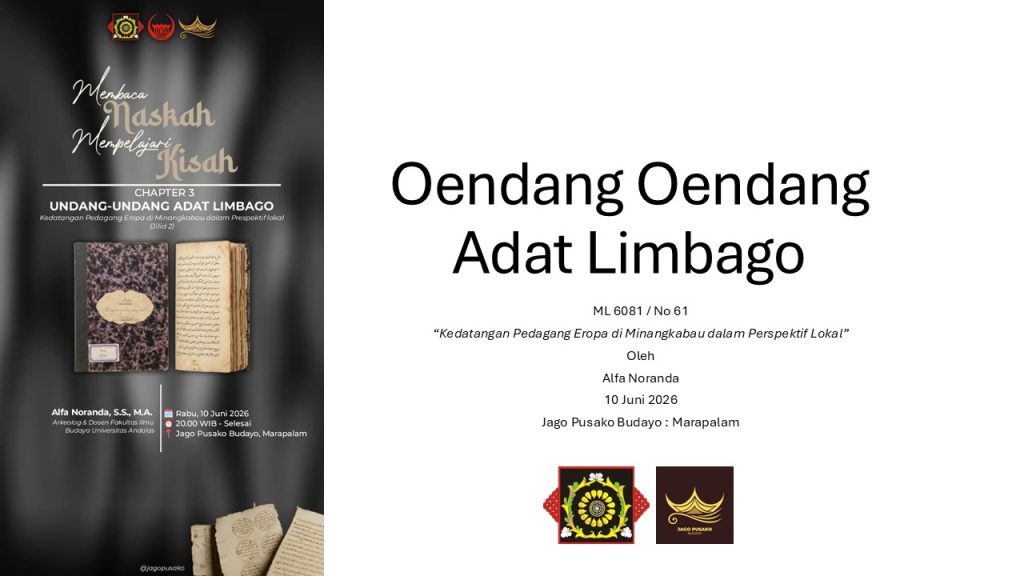
    Manuscript Night is a routine activity held every week on Wednesday, this activity is organized by Jago Pusako Budayo in order to revitalize the culture of reading Arabic Malay to the younger generation. so much knowledge is stored in manuscripts written using Malay script makes a lot of knowledge stored and distances the younger generation of Minangkabau far from the cultural identity and local knowledge they have. The reading of the manuscripts that are used as a reading program are manuscripts related to Minangkabau history, so that understanding of the course of local history can be understood well by the younger generation, so that it can help the shift in knowledge that is currently happening in the West Sumatra region which is the center of Minangkabau civilization in the past. at this third meeting, Jago Pusako raised the title of the arrival of European traders in Minangkabau in a local perspective, where information about the arrival is told in the manuscript oendang oendang adat limbago ML 6801 / No.61 from pages 266-301 following the page numbering in the manuscript. Some of the knowledge obtained from the manuscripts read and studied are as follows:

    The Dutch in Nagari Padang built a warehouse in 1663, they came again and they built a warehouse, so the Acehnese did not agree with the Padang people, so the Dutch Company and Nan Salapan who served were Datuk Rangkyo Kecil, and the four five people of Ka Nagari Salido (the interaction between Padang and Salido was because the four five people and Datuk Rang Kayo Kecik) said they would promise to defeat the Acehnese from Nagari Padang, then His self-styled outbreak broke out in Salido in 1664. Then the city was built on the island of Cingkia/Cingkuak/Cinangkiak, by the Dutch Company in 1665.
    So the Malays attacked land and the Dutch komopeni came from the sea, to the Acehnese who were in the field, so the Acehnese fled to Binuang (Pauh area) Padang.
    As for those ruled by Aceh, they are Alang Lawas, Parak Gadang, and Koto Baru, Parak Lawas, and Tanjung Sabar, so that is what the Acehnese ruled in Nagari Padang in the Hijri year. In the year Alif, at that time, the Dutch came to Nagari Padang and drove out the Acehnese who had ruled in Nagari Padang for forty-four (44) years. In that year, the Dutch company made a war in Hilir Batipuh (Pasar Batipuah Hilir) in the land of Caniago and those who brought the Dutch to Nagari Salida were made Panghulu 12, one Bandahara Maharaja Basa and in addition four people Datuak Tumanggung and Datuk Rangkayo Sirajo Koto Piliang and Datuak Rajo Inda Sati and Datuak Sutan Basa Caniago, that is the person who became Panghulu.

    From reading the manuscript, we also found some other information related to interactions between European traders who were brought by representatives who came from the “Thirteen Town”.. …Another village is Padang Hilir Batipuah, another is Padang Binuang Pauah. And another is the village of Gurun, where the “pumpunan ikan” gather, the location where at that time there was a Paseban (meeting hall / meeting place with the King) which was visited by a group of parents (niniak of niniak or grandmother of grandmother) from Kubung Tiga Belas along with groups from Limau Manis and Lubuk Kilagan accompanied by the people of Tanjung Saba to get a decision to trade in the past.

    This article states that the niniak descended from the niniak kubung tigo baleh, then the meeting of the laras nan duo in “limau manis” and “lubuak kilangan” then seen by the merchants were also given siriah pinang satahil (Chinese currency size) sapaho riyal in limau sapuluah riyal in lubuak kilangan, sapuluah riyal has been… then the niniak mamak berkumpullah laras nan duo in tanjuang sabar (area governed by Aceh) then all panghulu nan 20 received it with the appropriate (proper) manner of receiving it from the friend of the state from tuanku ampang lima (commander), then stayed for two nights then tuanku ampang (commander) ordered panghulu nan 12 two people to wear their clothes in an appropriate manner then they took them off and the gandang (drum) and sarunai (whistle) were hired by Alam Alam (flag) from the field datuk nan 20 delivered them together, then the gandang (drum) and sarunai (whistle) were heard then manusuang nusuang (manyonsong-nyonsong) niniak mamak datuak angku panglimo and bandaro when they have met both of them then answered tuanku ampang lima (commander) hand as well as tuanku bandaro and tuanku nan duabela. Then the balai Tampuruang then gathered there all the merchants to him to buy the siriah betel nut custom in front of tuanku ampang lima (commander) bandaro satahil sapaho, the custom has been accepted by niniak mamak, then tuanku panglima (commander) panghulu divided it into a portion by tuanku two portions by tuanku bandaro … brought to their respective homes, then came the day of speaking, then in …. to tuan komar when can met tuan with all of niniak mamak, datuak nan 13 koto, ready tuan then hilirlah Tuanku and all panghulu wore as appropriate then came out all the kebesaran (regalia), gandang (drum), sarunai (whistle) spread out Payung Ubur Ubur (umbrella jellyfish) and Alam Alam (flag), and the yellow and become also came out pulut pulut (?). Then after that they arrived at the Paseban (meeting hall with the king) then they stood in rows on the left and right, then the cannon sounded 13 shots, then they drank coffee and ate sadah/lontong ayak (traditional food) then they went home, all the panghulu went to their respective places, then the satahil sapaho custom was established in each nagari, then it was taken by the merchants and after … then all the datuak asked to go home and the traditional money was divided, by all the merchants gave twenty riyals to the tuan penghulu padang and twenty riyals to the merchants too, five riyals more than that then they shared it out then after that the 20 riyals were given to the buffalo and slaughtered in the middle of the “Gurun” (place in Parak Gadang Timur village), that is the tuanku panghulu all the contents of the nagari gave nyambal (cooking) but the people who did not give nyambal (cooking) gave all the people make-up and fences, but those who did not give nyambal (cooking) all the Imam’s (priest) , Khatib (preachers) and the Anak Radjo Radjo (king’s children) and were Marah (local leader with aceh ancestor) then they were service’s by tuanku panghulu by all panghulu by niniak mamak all of them rejoice on that day the custom of thirteen cities in Padang (easter side) inilah adat limbago rantau nan baradat radat, nan barantau boleh juga memberi utang dan menerima pusaka basuku batimbang itulah nan tiadalah buliah ubah ubahi, pindah daripada darat turun ke rantau (Custom in Padang with King of Minangkabau in Gurun now know as Parak Gadang Timur Village : Gurun Laweh and Aur Duri)

  • Our Guest From Air Manis Secret Surfcamp and France National Institute of Archaeology

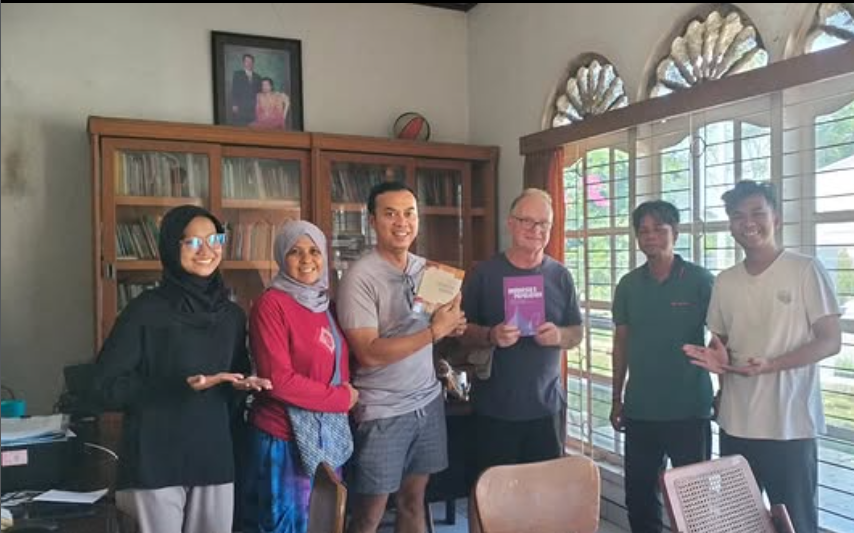
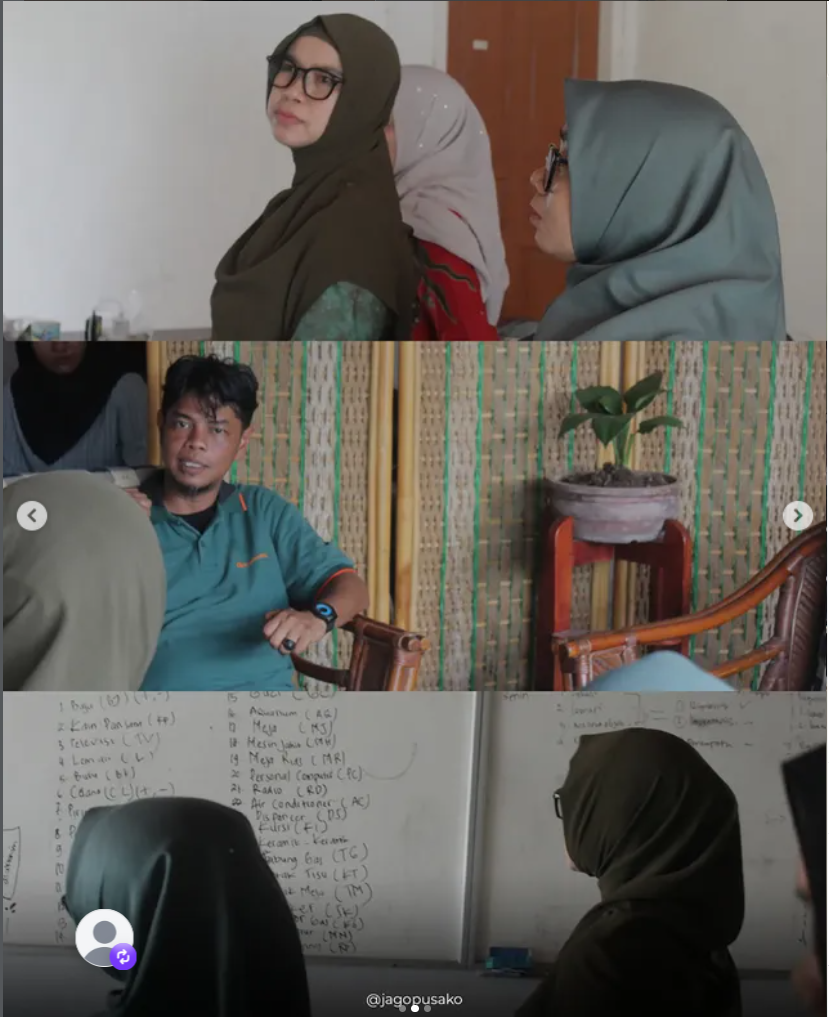
    On May 9, 2026, Jago Pusako received a visit from Da @benny_been_here dan Kak Yayuk dari @airmanis_secret_surfcamp and accompanied Patrick from the National Institute of Archeology French https://www.inrap.fr/en in Marapalam. We have an oportunity to presented our pragram and activity which adopt a GLAM concept. GLAM an acronim for Galery, Library, Archive and Museum. Jago Pusako forward, developing those idea to promote and preserve Minangkabau Culture.

  • Indonesian Directorate General of Immigration Visiting

    On Thursday, July 31, 2025, the Jago Pusako Office received a special visit from a team from the Indonesian Directorate General of Immigration at 3:00 PM WIB. This visit was a valuable opportunity for both parties to share information regarding registration and inventory procedures for objects in accordance with museum standards. This meeting was not only a friendly gathering but also opened new insights into professional and regulatory collection management.
    During the discussion, the team from the Directorate General of Immigration shared their experiences in handling administrative procedures related to the ownership and management of historical assets. Meanwhile, Jago Pusako outlined the technical steps in inventorying museum objects to ensure accurate preservation and documentation. This information exchange is expected to improve the quality of collection management in the future and support more systematic cultural heritage preservation efforts.